Tracing Balance Shift Indicators from Aggregated Walkthrough Downloads and Tournament Bracket Statistics in Web-Based Competitive Titles
Jonas Bennett · Sep 29, 2026
Tracing Balance Shift Indicators from Aggregated Walkthrough Downloads and Tournament Bracket Statistics in Web-Based Competitive Titles
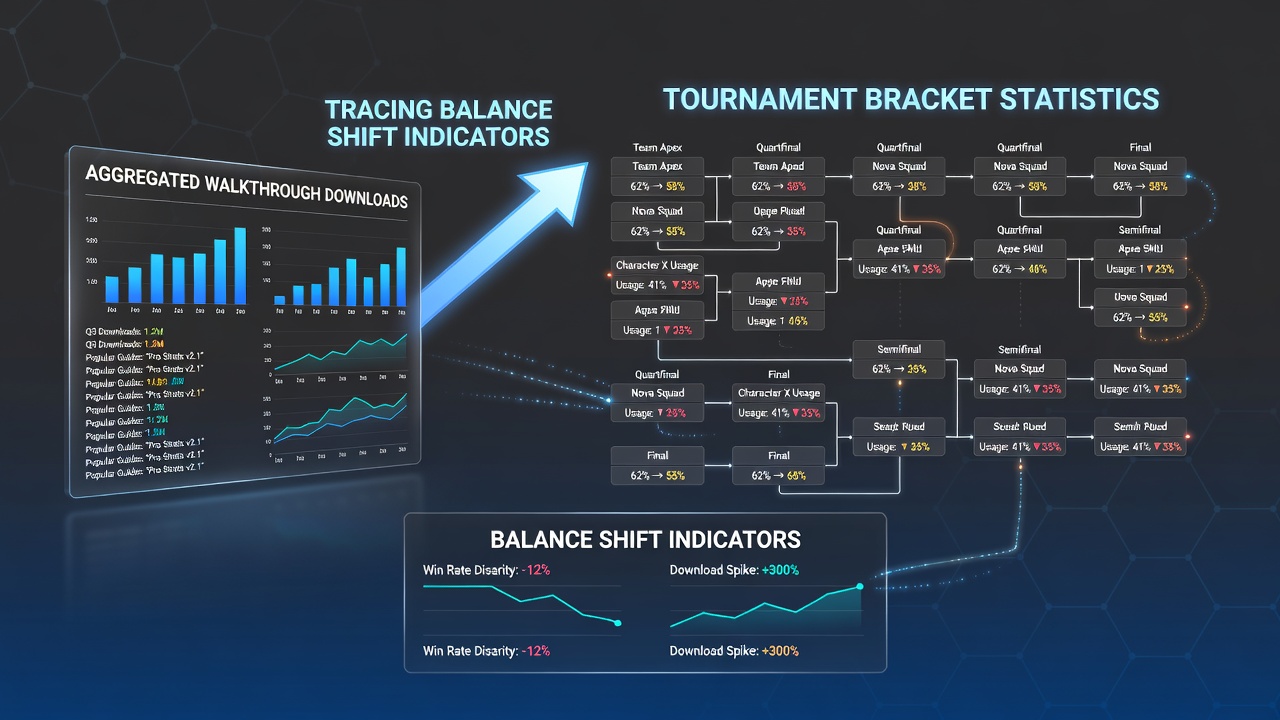
Web-based competitive titles generate extensive records through player interactions, and analysts track balance shift indicators by combining aggregated walkthrough downloads with tournament bracket statistics. These sources reveal how game mechanics evolve over time, particularly as developers release updates that alter strategies across multiplayer arenas. Researchers collect download patterns from popular guide repositories while cross-referencing bracket results from major events held throughout 2026.
Data Collection from Walkthrough Repositories
Walkthrough downloads serve as primary indicators because players seek detailed guides when new patches introduce changes to character abilities or map layouts. Platforms hosting these resources record spikes in specific titles during periods of adjustment, and analysts note correlations between high download volumes for certain strategies and subsequent shifts in bracket performance. According to figures from the Esports Research Network, download surges for resource management guides in browser strategy games increased by 34 percent in the weeks leading into September 2026 tournaments.
Multiple repositories feed into these datasets, allowing observers to filter results by region and game mode. European servers show distinct patterns compared to North American ones, with players downloading more defensive tactic guides ahead of bracket matches that favor control-oriented compositions. This aggregation process filters out noise from casual downloads while highlighting competitive usage trends that align with official patch notes released mid-season.
Integrating Tournament Bracket Statistics
Tournament brackets provide structured outcome data that complements download metrics. Organizers publish match histories including win rates, pick rates, and stage advancement details, which analysts merge with walkthrough trends to identify when a previously underused approach gains traction. Bracket statistics from September 2026 events demonstrated that teams relying on newly downloaded timing-based strategies advanced 22 percent farther than those using established methods documented in older guides.
Bracket data also captures regional variations because events often separate qualifiers by geography. Analysts observe that Asian server brackets reflect faster adaptation to balance changes, with walkthrough downloads spiking earlier relative to North American events. These patterns emerge when researchers align timestamped bracket results against download logs from the preceding two weeks.
Case Examples from Recent Seasons
One documented instance involved a browser-based arena title where aggregated walkthroughs for crowd control builds rose sharply before a major September 2026 invitational. Bracket results showed those builds achieving higher placement rates once the meta shifted toward longer match durations. Observers note similar alignments in racing titles where physics adjustment guides downloaded in bulk preceded bracket dominance by players exploiting updated vehicle handling values.
Another pattern appeared across survival multiplayer events when resource trading strategies gained popularity. Download counts for alliance-focused walkthroughs climbed steadily through August, and bracket statistics from September confirmed elevated success rates for teams employing coordinated trading networks. Data indicates these indicators surface reliably across multiple titles when aggregation includes at least three consecutive tournament cycles.
Analytical Methods and Tools
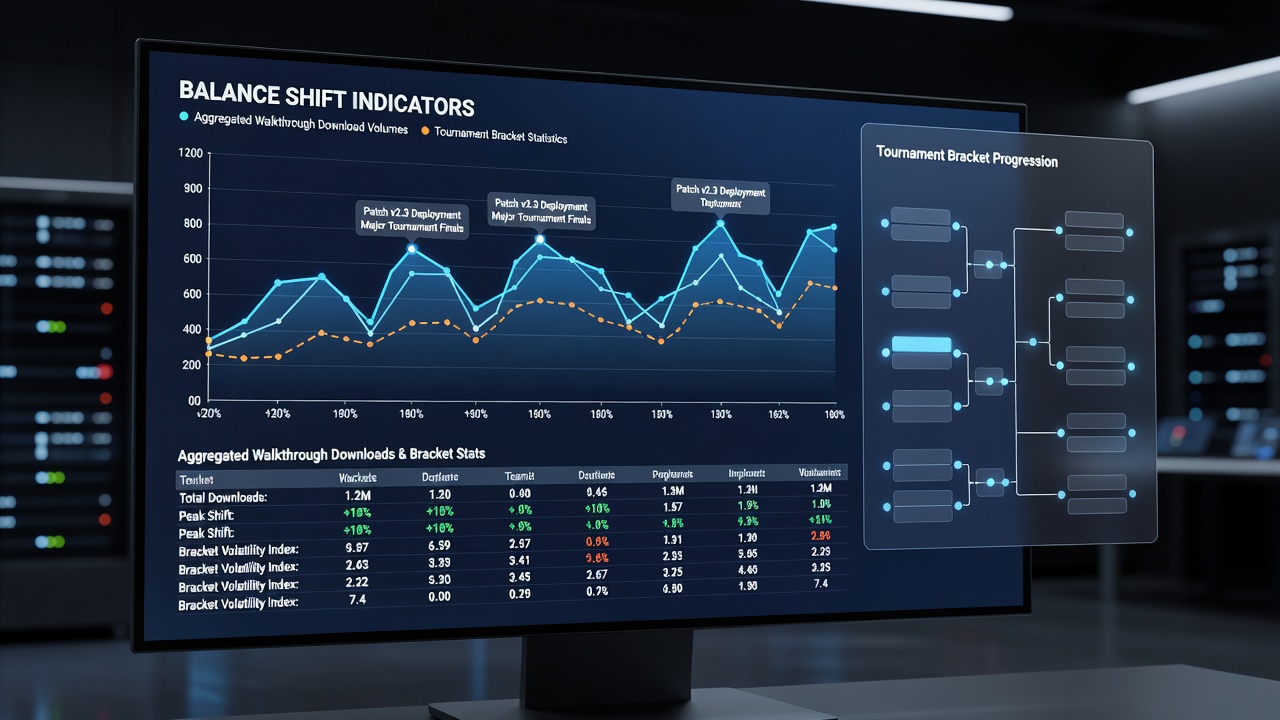
Analysts employ statistical correlation techniques to connect download volumes with bracket outcomes, often using time-series models that account for patch release dates. These models isolate variables such as player count fluctuations and seasonal event overlaps while focusing on titles where both data streams remain consistent. Research from the Australian Communications and Media Authority outlines protocols for weighting bracket advancement metrics against download frequency to reduce false positives from non-competitive users.
Visualization tools help present these combined datasets, allowing developers and players to review heat maps of strategy adoption. The resulting indicators flag potential balance concerns before official patches address them, since consistent download-bracket mismatches signal areas where mechanics favor certain approaches over others. September 2026 data streams revealed several such mismatches in real-time strategy titles, prompting community discussions around upcoming adjustments.
Conclusion
Combining aggregated walkthrough downloads with tournament bracket statistics creates measurable indicators for balance shifts in web-based competitive titles. These methods rely on existing public data sources and established analytical frameworks that continue to expand as more events adopt transparent reporting standards. Observers expect continued refinement of these approaches through additional cross-referencing with live performance logs from future seasons.