Aggregated Player Evaluations Reshaping Entry Barriers for Emerging Competitive Formats in Networked Games
Freya Jenkins · Oct 13, 2026
Aggregated Player Evaluations Reshaping Entry Barriers for Emerging Competitive Formats in Networked Games
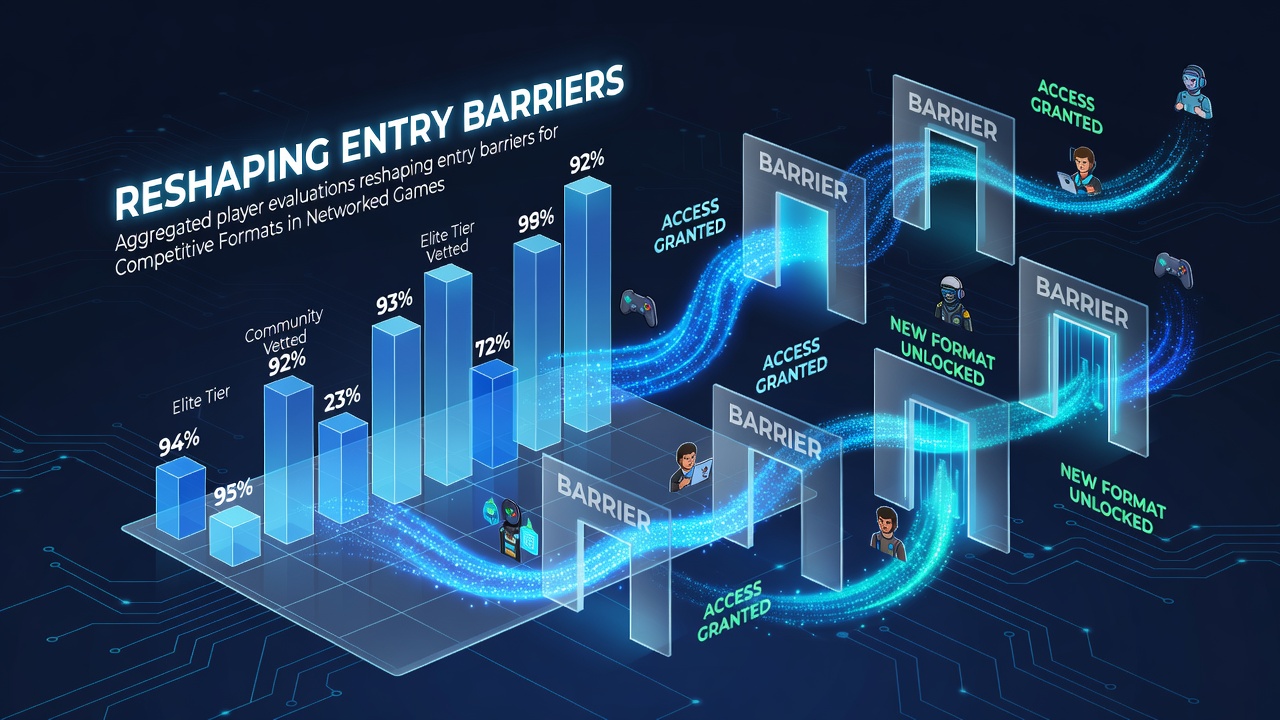
Networked games have seen substantial shifts in how competitive formats incorporate player feedback, and aggregated evaluations now play a central role in determining access to new modes. Developers collect ratings, performance statistics, and review data across platforms, then feed these into systems that adjust matchmaking parameters and qualification thresholds. This process alters traditional entry points because new participants encounter criteria shaped by collective input rather than fixed developer rules alone.
Data Aggregation Methods and Their Reach
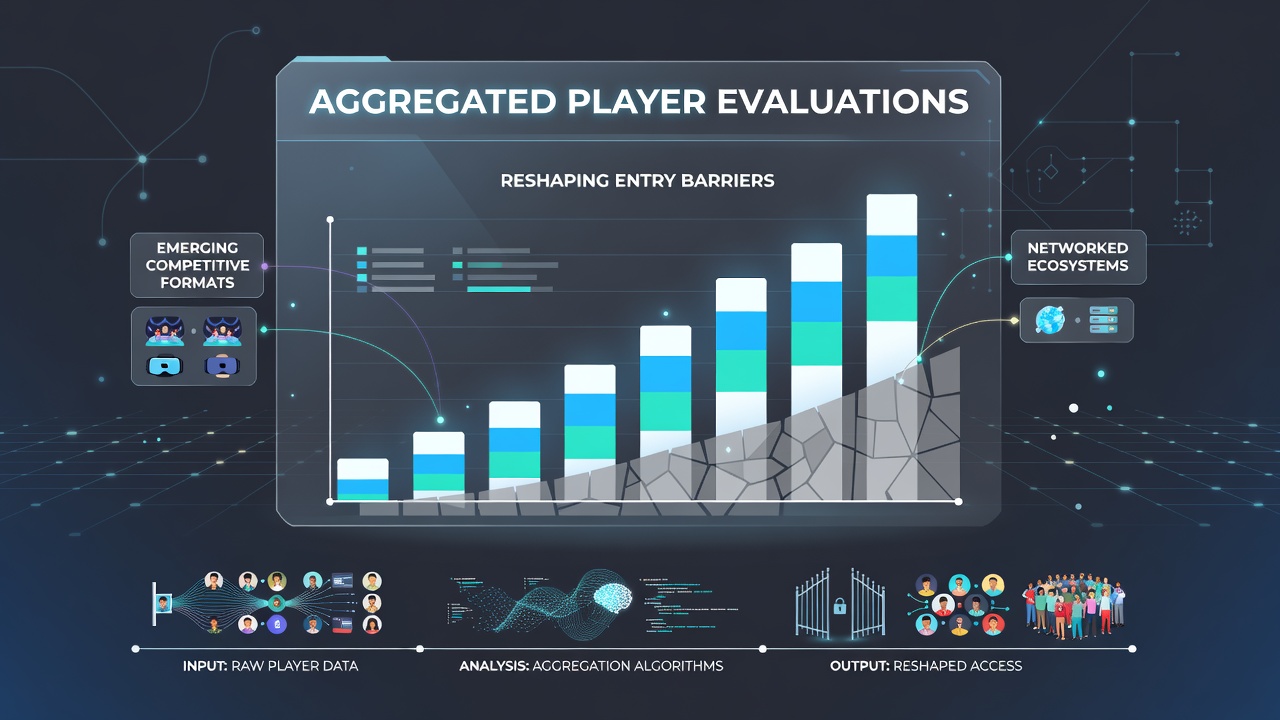
Platforms gather evaluations through post-match surveys, in-game rating prompts, and external review sites, then compile them into centralized datasets that update in real time. Companies apply machine learning models to these collections so that skill-based groupings reflect patterns observed across thousands of sessions. Observers note that such systems expand or contract eligibility windows depending on how prior cohorts rated specific formats, and this dynamic directly influences whether emerging competitive structures admit broader audiences or maintain narrower pools.
Studies from academic institutions have tracked these changes across multiple titles released between 2024 and 2026, showing measurable differences in participation rates once evaluation layers activate. In October 2026, several major networked titles introduced revised qualification ladders that explicitly reference aggregated scores from the preceding quarter. Those updates produced documented increases in average session counts for players who met revised criteria while simultaneously tightening access for others.
Impact on Emerging Formats
Battle royale variants, ranked arena modes, and hybrid esports circuits represent the primary arenas where these evaluation systems exert influence. Entry barriers that once relied on account age or minimum playtime now incorporate composite scores derived from peer assessments of teamwork, consistency, and adaptability. Developers report that this approach reduces early-stage attrition in some formats because participants join groups already aligned with prevailing expectations.
Yet the same mechanisms can raise thresholds in other cases, particularly when negative evaluations cluster around particular playstyles or hardware configurations. Data from industry reports indicate that formats incorporating live evaluation weighting experienced a 12 to 18 percent shift in first-week retention compared with legacy systems that used static requirements. Researchers at several universities have begun longitudinal projects to quantify these effects across regions, noting variations between North American, European, and Asia-Pacific servers.
Industry and Regulatory Context
Trade organizations have begun issuing guidelines that address transparency around aggregated evaluation usage. The Entertainment Software Association published a 2026 white paper outlining best practices for disclosing how player data influences matchmaking algorithms. Meanwhile, the Interactive Games and Entertainment Association in Australia released complementary findings focused on regional server performance and accessibility metrics. These documents emphasize that clear communication about evaluation criteria helps maintain trust while formats continue to evolve.
Case Examples from Recent Deployments
One major title updated its ranked progression system in mid-2026 after internal analysis revealed that aggregated teammate ratings correlated strongly with long-term engagement. The change lowered the initial placement floor for new accounts that demonstrated consistent positive evaluations in unranked queues. Participation metrics released by the studio showed immediate uptake from previously underrepresented demographics, including players using non-standard input devices.
Another studio introduced a preview mode for an experimental capture-the-flag variant that required a minimum aggregate score derived from prior seasonal reviews. Observers recorded that this gate reduced early complaints about imbalance, yet it also delayed entry for a segment of the community until sufficient review volume accumulated. Subsequent patches adjusted the threshold downward once the dataset stabilized, illustrating how evaluation systems remain responsive to ongoing data inflows.
Future Trajectories
Current development roadmaps suggest continued integration of evaluation layers into cross-platform competitive ecosystems. Analysts project that by late 2027 most major networked titles will tie at least one new format release to composite player metrics. This trajectory points toward increasingly granular control over entry conditions, with potential implications for hardware compatibility testing and regional localization efforts. Continued monitoring by academic and industry groups will clarify whether these practices standardize across the sector or diverge according to genre and audience size.
Conclusion
Aggregated player evaluations have become embedded infrastructure within networked game ecosystems, directly modulating who gains access to emerging competitive formats. The mechanisms rely on continuous data collection and algorithmic interpretation rather than static prerequisites, producing measurable effects on participation patterns documented through 2026. As studios refine these systems, the interplay between collective feedback and entry conditions will shape competitive landscapes for years ahead.